

Whether you’re a first-time parent or adding to your family, choosing the right baby carrier can feel overwhelming. This guide breaks down everything you need to know to make the best choice for you and your baby.
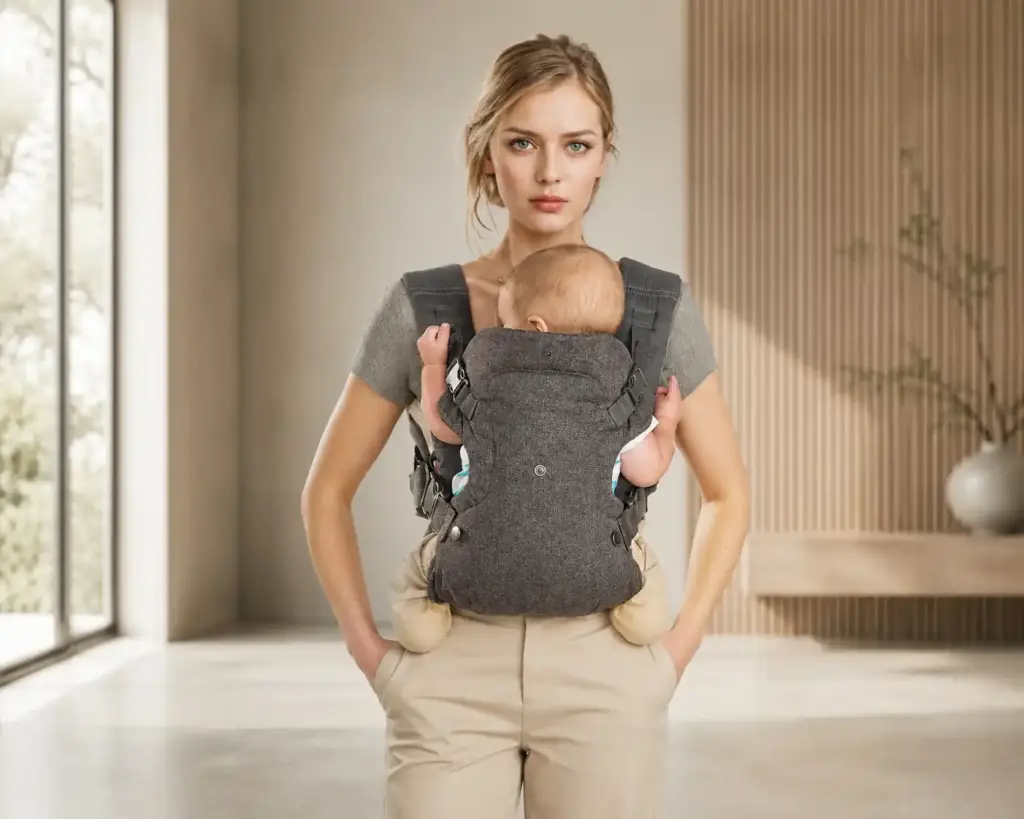
Why Choosing the Right Carrier Matters
A good baby carrier does more than carry your baby from A to B. It supports healthy hip development, promotes bonding through skin-to-skin closeness, and gives you the freedom to get on with your day — hands free. The wrong choice, however, can mean back pain for you and discomfort for your little one.
The UK market is flooded with options: soft wraps, ring slings, structured carriers, hip seat carriers, and everything in between. Let’s cut through the noise.
Step 1 — Know Your Baby’s Age and Weight
Different carriers suit different stages of development.
Newborns (0–4 months): Look for carriers with head and neck support, a narrow base to keep legs in the M-position (knees higher than bottom), and adjustable inserts for smaller bodies. Soft wraps and ring slings are particularly popular at this stage.
Infants (4–12 months): As your baby gains head control and begins to show more curiosity about the world, a structured carrier or soft-structured carrier (SSC) becomes ideal. Look for forward-facing and hip-facing options.
Toddlers (12 months+): You’ll need a carrier designed for heavier loads. Hip seat carriers and ergonomic structured carriers with wide waistbands are best for distributing weight without straining your back.
Step 2 — Understand the Different Types
Soft Wraps Long, stretchy pieces of fabric that you wrap around yourself and your baby. Ideal for newborns. They offer unmatched closeness and are very adjustable — but they have a learning curve.
Ring Slings A single length of fabric threaded through two rings, worn over one shoulder. Quick to put on and off, compact to carry, and incredibly versatile. Great from newborn through toddlerhood.
Structured Carriers (SSC) The most popular choice among UK parents. Padded shoulder straps, a buckle waistband, and a structured body panel provide excellent support for longer carries. Most grow with your baby from infant to toddler.
Hip Seat Carriers A structured carrier with a firm, flat shelf at the waist. The baby sits on the seat rather than hanging in fabric. Excellent for quick ups and downs — ideal when your toddler wants to be carried one minute and walking the next.

Step 3 — Check the Ergonomics
This is non-negotiable. Whatever carrier you choose, it must support the M-position (also called the frog position or jockey position) for your baby’s hips. This means:
- Knees are higher than the bottom
- Thighs are fully supported from knee to knee
- The spine is gently curved in a C-shape, not straightened
Poor hip positioning in early life can contribute to hip dysplasia. Always look for carriers approved by the International Hip Dysplasia Institute.
Step 4 — Think About Who Will Be Wearing It
If both parents will be using the carrier, adjustability is key. Look for:
- Easily adjustable shoulder straps that suit different torso lengths
- A waistband that fits a range of hip sizes
- Simple buckles that can be operated alone
Structured carriers and hip seat carriers tend to be the easiest to share between wearers. Wraps require re-tying each time, which works for some families and not others.
Step 5 — Consider the UK Climate
British weather means a carrier that works year-round needs to breathe well in summer and layer well in winter. Look for:
- Breathable cotton or mesh panels for warmer months
- Compatibility with babywearing coats or cover-ups for winter
- Machine-washable fabric — because babies are messy
Step 6 — Set a Budget (and Stick to It)
Baby carriers range from under £30 to over £150. Here’s what to expect at each price point:
- Under £50: Basic structured carriers and ring slings. Functional, but may have limited adjustability or shorter lifespan.
- £50–£100: Mid-range structured carriers with better ergonomics, more adjustability, and higher-quality fabrics.
- £100+: Premium carriers with extended sizing, additional carry positions, and superior back support for longer wears.
A good carrier is an investment — most quality ones last from birth through toddlerhood, making the cost per use very low.
The Weanjay Difference
At Weanjay, every carrier in our range is designed with UK families in mind. From our ergonomic soft carriers for newborns to our hip seat carriers for active toddler parents, we’ve focused on three things: safety, comfort, and style.
All Weanjay carriers support the M-position, are made from breathable, machine-washable fabric, and are built to grow with your child. Whether you’re navigating the school run, a National Trust walk, or a busy Saturday market, there’s a Weanjay carrier made for it.
Shop the Weanjay carrier range →
Quick Reference: Which Carrier for Which Stage?
| Stage | Best Carrier Type |
|---|---|
| Newborn (0–4 months) | Soft wrap, ring sling |
| Infant (4–12 months) | Structured carrier (SSC) |
| Older infant (6–18 months) | Structured carrier, hip seat |
| Toddler (12 months+) | Hip seat carrier, SSC toddler size |
Final Thoughts
The best baby carrier is the one that fits your body, suits your lifestyle, and keeps your baby comfortable and safe. Don’t be afraid to try a few styles before committing — many UK babywearing groups run meet-ups where you can try before you buy.
And if you have any questions about which Weanjay carrier is right for your family, our team is always happy to help.
Written by the Weanjay Team | Last updated: 2026